


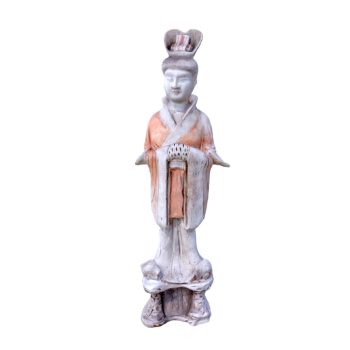
Painted pottery female figurines of the Tang Dynasty
This is a Chinese Tang Dynasty painted pottery female figurines (or ladies figurines). It was made in China during the Tang Dynasty (618-907) and was one of the funerary objects (Ming ware) in the burial culture of that time. The terracotta figures are dressed in wide-sleeved gowns with cross-necked collars, their hands close to their chests, their hair in a high bun (similar to the popular "high bun" or "fallen horse bun" at the time), and their faces are plump and round. This plump shape is the embodiment of the aesthetic ideal represented by Yang Guifei in the prosperous Tang Dynasty. They usually appear in groups and are placed in the ear chambers or corridors of noble tombs, symbolizing the maids, kabuki or attendants of the tomb owner.

Tang Dynasty female figurines
The custom of burying with terracotta figures has a long history and was popular in the Tang Dynasty for its lavish burial. The craftsmanship of making terracotta warriors has also become more mature, with lifelike depictions of terracotta warriors, gorgeous clothing, and the emergence of Tang Dynasty tri colored pottery craftsmanship, which resulted in a large number of pottery artifacts being buried in noble tombs at that time. Among them, the terracotta warriors of noble women were one of the essential accompanying burial terracotta warriors.

Popular Models
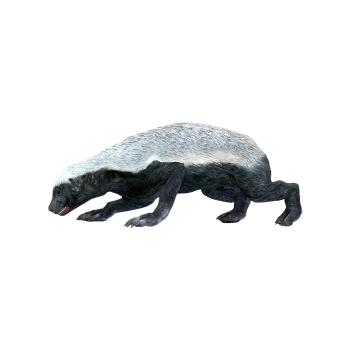
Honey Badger (3D animated model)
192 View
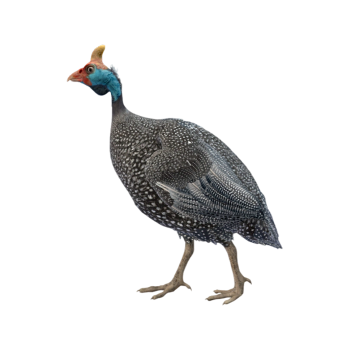
Guinea fowl (3D animated model)
163 View
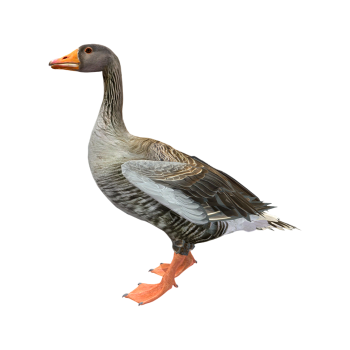
Wild Goose (3D animated model)
185 View
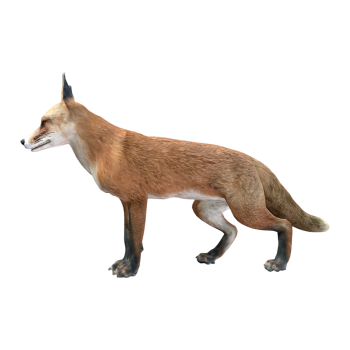
Red Fox (3D animated model)
153 View
Random Model

Dodge DF4 Carbon Fiber Racing Bike
705 View

German HAGEN large cruiser
661 View
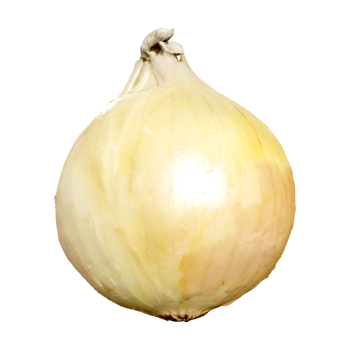
Yellow-skinned onion
726 View

Specimen of tree sparrow bunting
726 View
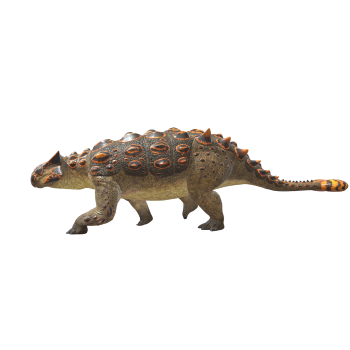
An angylosaur (3D Action Model)
163 View

18th Century Chinese Cloisonne Vase
962 View

flying fish specimen
480 View

Under Armour HOVR Apex 2 sneaker
776 View

Elephant and Lion Statue
599 View